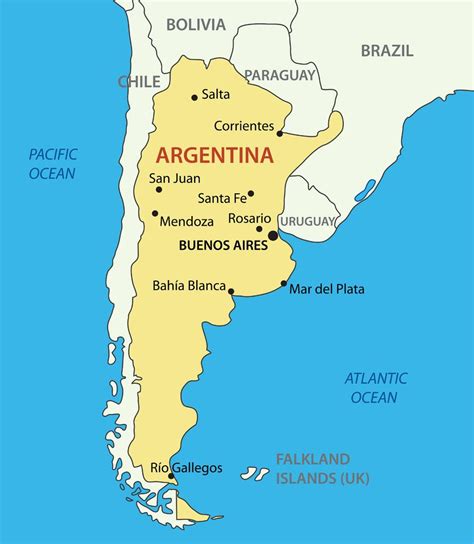
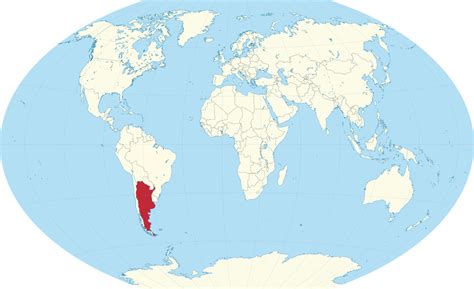
Argentina is a vast country located in the southern part of South America. The eighth largest country in the world, it is the second largest country in South America after Brazil, and it's about one-third the size of the United States. Argentina is bordered by the Andes Mountains and Chile to the west.
What language is spoken in Argentina?
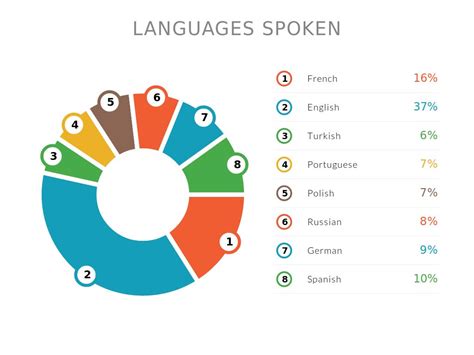
While Argentina's official language is Spanish, Argentina has enjoyed so much international migration that Arabic, Italian, German, English, and French are also spoken—at least in pockets throughout the country. There are also over one million speakers of various tribal languages, including Quecha and Guaraní.
Why is Argentina famous for?
Argentina is famous for its excellent wine and food, as well as music and dance. Read on and you'll soon see why Argentina deserves a spot on your South America bucket list. From football to tango, here are just some of the many things Argentina is famous for…
Is Argentina a rich country?
The World Bank classifies Argentina as a high-income nation. The country's economy is driven by manufacturing, agricultural exports, natural resources and the services industry, which includes a thriving tourism industry.
What do they drink in Argentina?
Mate is the most popular beverage in Argentina, well above coffee and tea. According to the National Institute of Yerba Mate an average of 100 liters of mate is consumed annually per person in the country. Mate is present in over 90% of Argentine households.
Is Argentina a friendly country?
Argentines are warm, friendly, open and generous, and will thinking nothing of inviting you to a barbeque even if you have only met them once. They will happily help you move house and even forgive your beginner's Spanish.
Is Argentina friendly to tourists?
Argentina is an incredible country with a lot to offer tourists. There is something for everyone, from natural beauty to rich culture, food, and history. Despite the reputation that South America has, Argentina is one of the safest countries in the world to travel to.
Is Argentina cheap to live?
According to numbeo.com, the cost of living in Argentina is 50% to 60% less than in the U.S. All told, a couple can expect to live comfortably on $1,500 to $1,800 per month. Single individuals can expect to get by on about $1,000 per month. In particular, housing in Argentina is quite affordable by U.S. standards.
Are Argentinians Muslims?
Argentina is a predominantly Christian country, with Islam being a minority religion.
What race is Argentine?
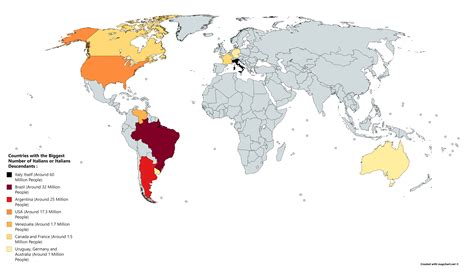
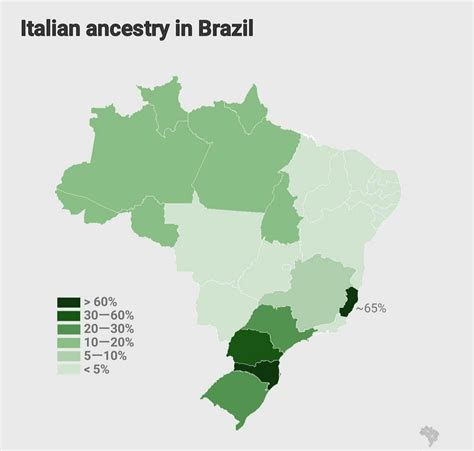
The most common ethnic groups are a mix between Spanish (including Galicians and Basques), Italian and Native American. It is estimated that up to 30 million Argentines, up to 62.5% of the total population, have Italian ancestry, wholly or in part. There are also some Germanic, Slavic, Irish and French populations.
What are Argentines called?
Answer and Explanation: In English, the formal demonym (name for a group of people from the same place) is Argentine. However, in popular usage, the terms Argentinian and Argentinean are also widely accepted.
What are the top 3 languages in Argentina?
While Spanish is the dominant language in Argentina, there are many other languages spoken in Argentina. They include Italian (second most spoken language in Argentina), Quechua (mainly spoken by Bolivian immigrants who settled in Northern Argentina) and Guaraní (mainly spoken in the province of Corrientes).
Is Argentine Spanish Italian?
Argentine Spanish is heavily influenced by Italian, with the cadence and vocabulary of Argentine Spanish mirroring Italian, and Italian foods are considered a staple of the region.
Is Argentine food spicy?
Hot and spicy is not part of the Argentine palate. Generally speaking, they actually don't like to eat anything spicy. If you want something spicy, you will have to look into international cuisines like Mexican, Peruvian, South Asian, and Indian etc. restaurants in the city.
What is a typical Argentine breakfast?
In Argentina, breakfast is a thoroughly simple affair. The options rarely, if ever, move beyond the two key staples: tostadas (toast) or medialunas. They'll be served with coffee and orange juice. Anywhere serving anything extravagant – including yogurt or fruit – or any form of cooked eggs is catering to tourists.
What meat do Argentines eat?
Most regions of Argentina are known for their beef-oriented diet. Grilled meat from the asado (barbecue) is a staple, with steak and beef ribs especially common. The term asado itself refers to long strips of flank-cut beef ribs.
Why do people leave Argentina?
“The bad policies of all governments and the lack of the rule of law, among other factors, have caused a large number of Argentines to want the same as us, to leave.”
Can foreigners live in Argentina?
All individuals wishing to settle in Argentina must apply for a residence permit. Foreigners are automatically considered settled in Argentina upon entry under an entry permit and visa. If applicable, they are then able to obtain their national identity document from the civil registry.
Can you own a gun in Argentina?
In Argentina, Brazil, Chile, Colombia, and Mexico, gun possession is legal for civilians, though restrictions tend to be stringent.
Can a foreigner buy a house in Argentina?
How To Own Real Estate in Argentina. To own property in Argentina, a foreigner needs to have a CDI (equivalent to a tax ID number in the United States, Canada, and Europe). Foreigners are only permitted to buy property in this region if they can prove it will benefit the local community.
Can you drink the tap water in Argentina?
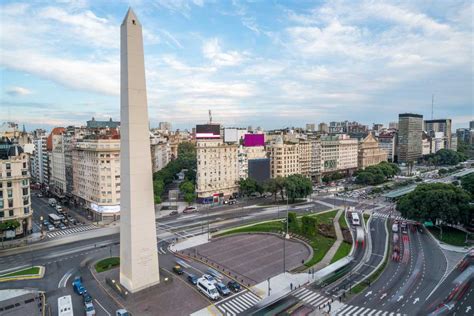
The tap water is safe to drink in Buenos Aires and most parts of the country. To be sure, ask your tour leader or the hotel/restaurant staff. Bottled water is readily available and should be used in remote rural areas.
Which city is rich in Poland?
Good tax policy ensures success to Warsaw, Wrocław and Opole which remain the richest provincial cities in Poland, believe the authors.
Is it worth living in Poland?
Overall, Poland is a great place to work and live. The cost of living is relatively low, especially when compared to Western European countries, and there are plenty of job opportunities available. Additionally, the country offers a good quality of life, with plenty of things to see and do in your free time.
Is medical free in Argentina?
The Argentinian public healthcare system is free for everyone. And by everyone, we don't just mean the locals. Expats and tourists can also make use of the government-funded programs. Inpatient and outpatient care is completely free.
How much money do I need to live in Argentina?
$1000 a month will be enough for expenses and rent (long-term) in Buenos Aires. Cities like Mendoza and Salta are cheaper than Buenos Aires.” As in many countries, living in the biggest city is going to cost you more than living in the countryside.
What country owns Argentina?
Background: Spain colonized Argentina in the 16th century; it declared its independence in 1816 and emerged as a democratic republic in the mid 19th century, but has since then periodically fallen under military rule.
 Hannah Divine has traveled to various regions of Argentina and has a firsthand understanding of its diverse geography, climate, and people. She writes about everything from the country's political and economic issues to its arts and music scene. Hannah Divine may recommend must-see destinations, local cuisine, and cultural events. Ultimately, she would be able to share their love and knowledge of the country in a way that inspires and informs readers.